BISAS 2026 Invited Speaker Profiles

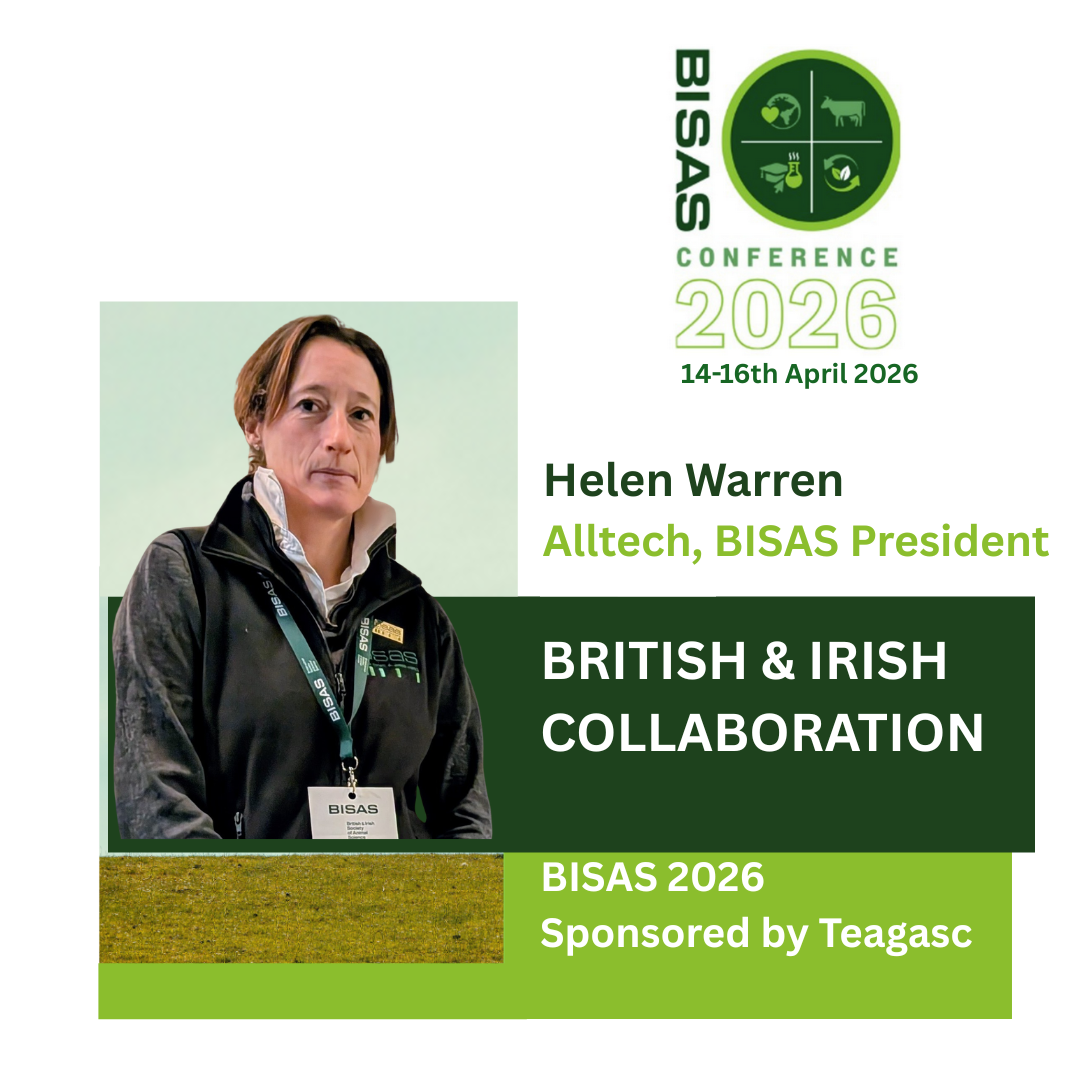
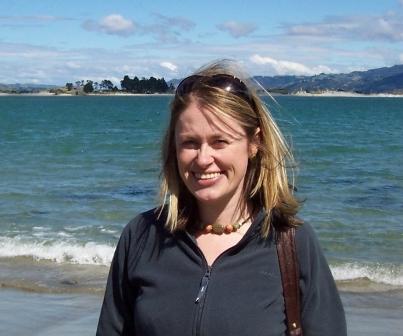
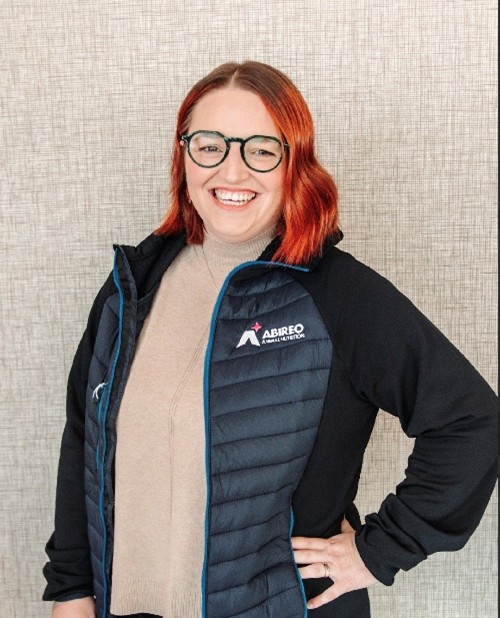
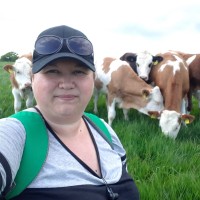
Helen Warren, BISAS President

Helen Warren, BISAS President

Helen Warren, BISAS President

British & Irish Society of Animal Science President: Helen Warren

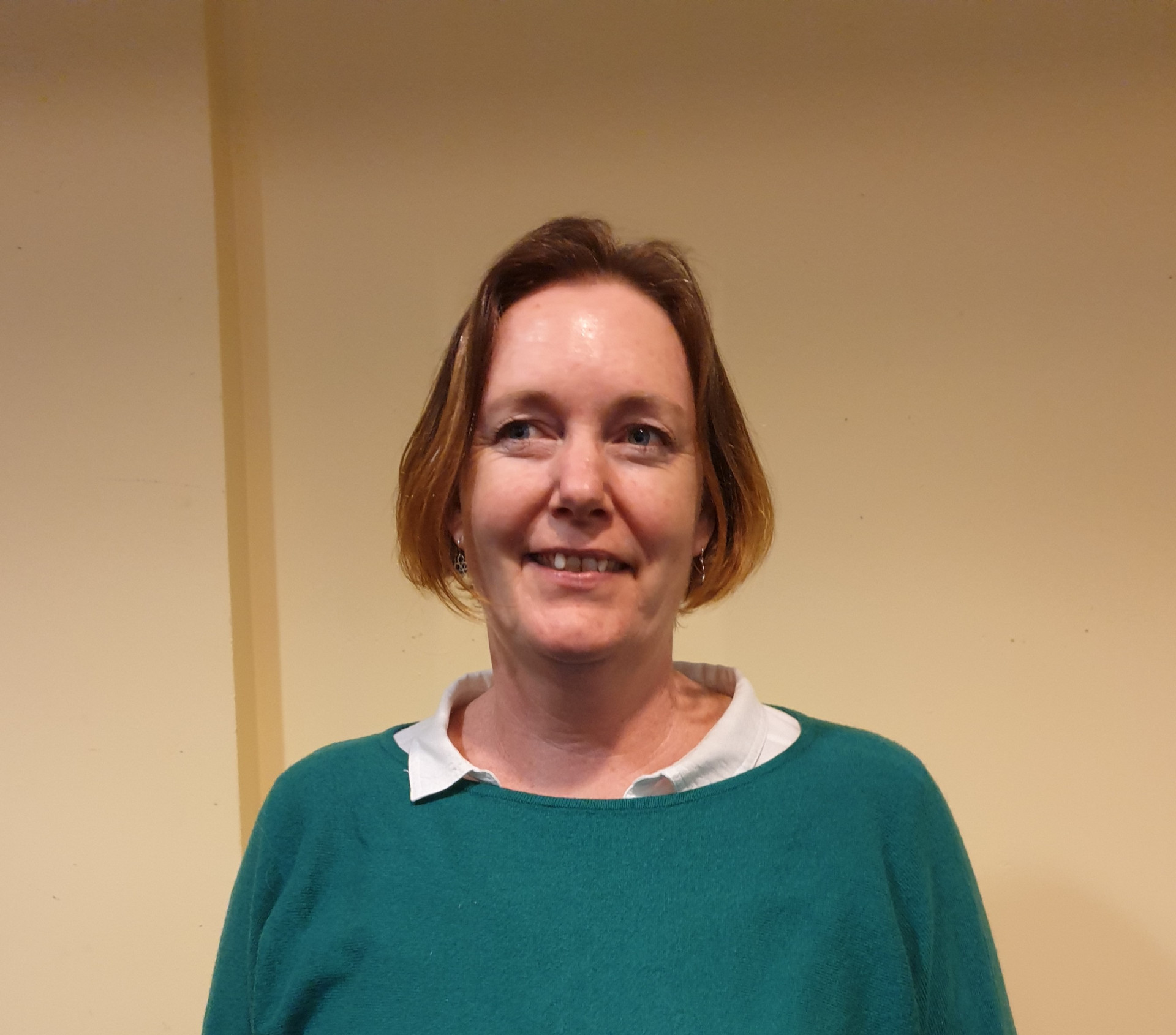
Helen is President of the British & Irish Society of Animal Science (BISAS) and a respected leader within the animal science community. With extensive experience in research, collaboration and knowledge exchange, she has been a longstanding advocate for advancing scientific excellence and strengthening links between academia, industry and policy.

As President, Helen is committed to supporting early career researchers, fostering international partnerships and ensuring that animal science continues to play a vital role in delivering sustainable, evidence-based solutions for the livestock sector. She is delighted to welcome delegates to the BISAS 2026 Conference and looks forward to an engaging and inspiring event.

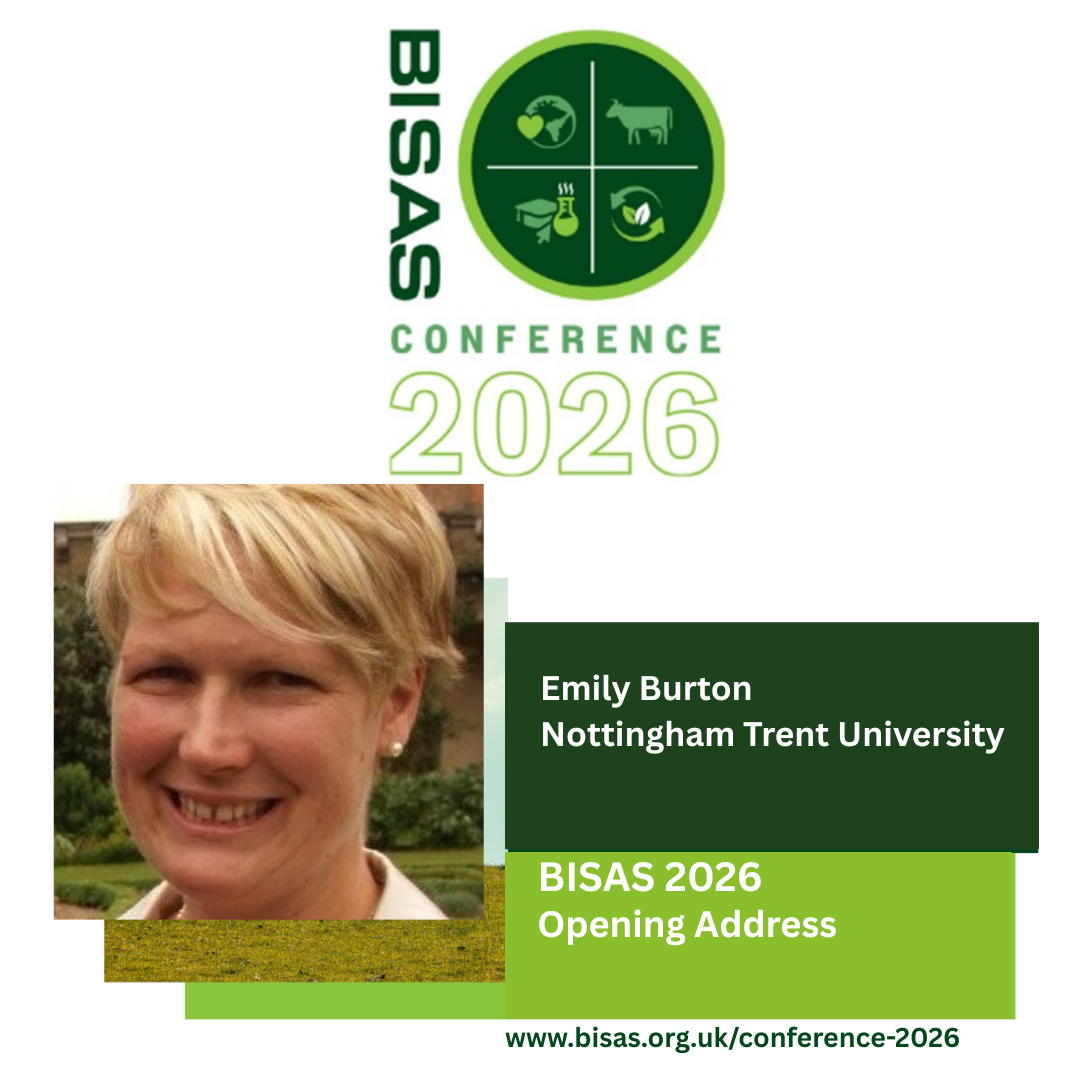
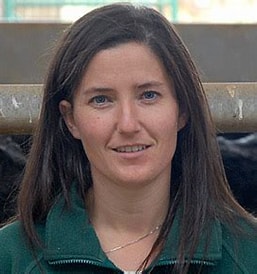
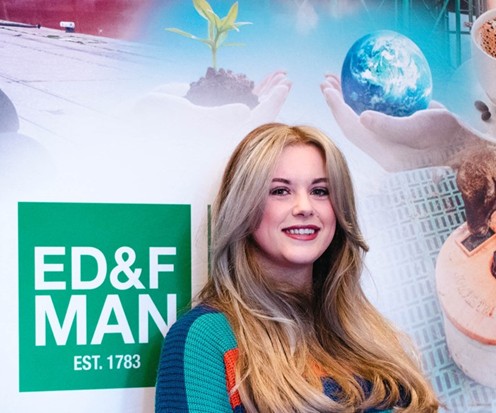
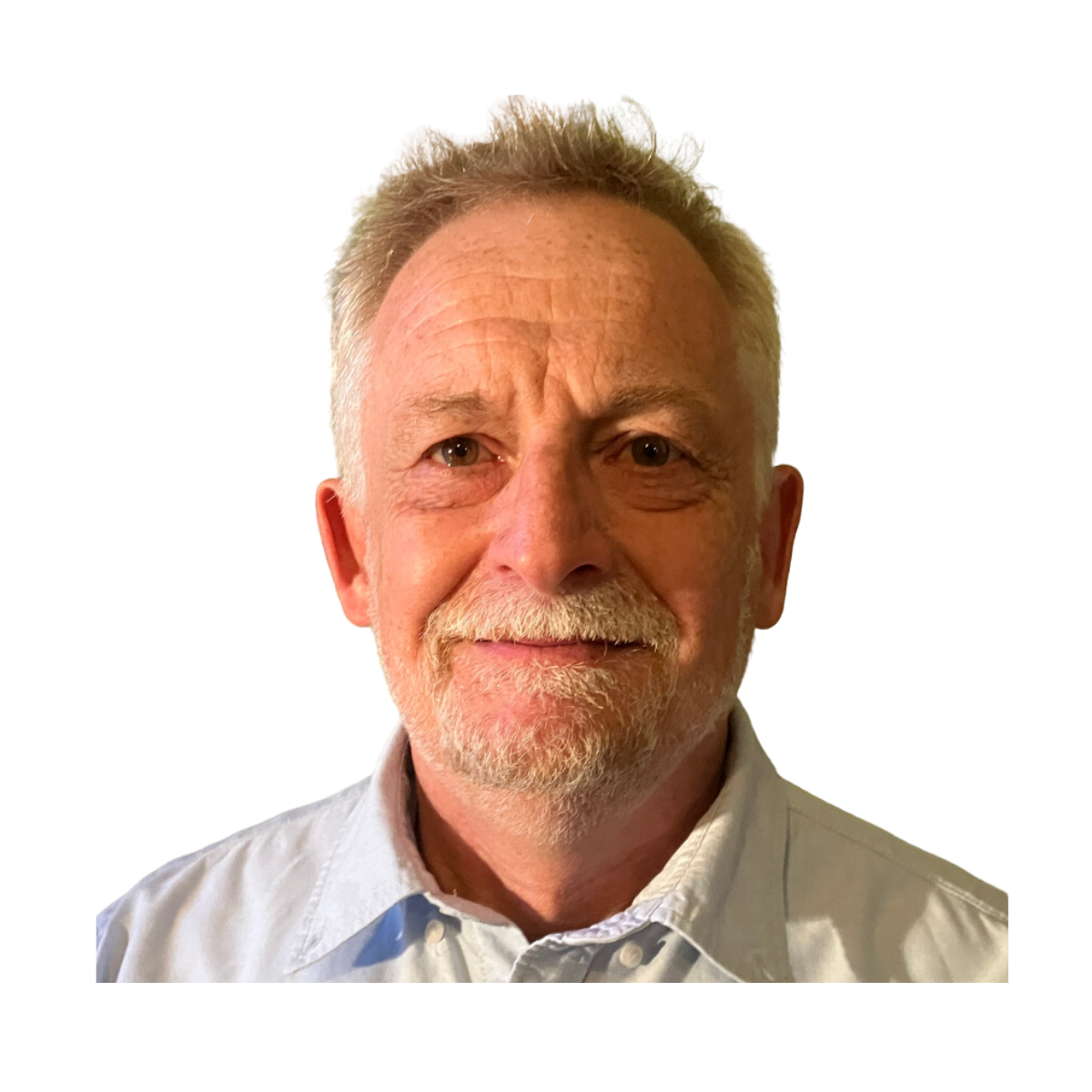
Emily Burton

Emily Burton

Emily Burton

Session: Opening Address

Date: Tuesday, 14th April |10:00

Summary: Emily's talk will focus on the role of collaboration between industry and academia in driving resilient livestock production.

Profile: Emily Burton is a Professor in Sustainable Food Production. She undertakes a mixture of teaching, commercially driven research investigations and applied research into poultry nutrition and related fields. Prof Burton leads the University’s poultry nutrition research team, based at the Brackenhurst Campus.

Prof Burton gained a BSc in Animal Physiology and Nutrition from the University of Leeds and a PhD in the nutritional value of soya beans for broiler chicks from the University of Nottingham. She spent seven years as a post-doctoral researcher mainly focusing on feed quality and exogenous enzyme effects on broiler performance, but also briefly investigating the capacity of fibrolytic enzymes to improve forage digestion in dairy cows.

After a spending two years as the companion bird nutritionist for Mars at their Waltham Centre for Pet Nutrition, Dr Burton established a new poultry research unit at Nottingham Trent University in 2009.

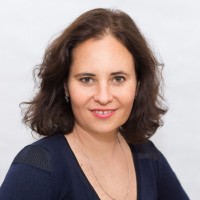
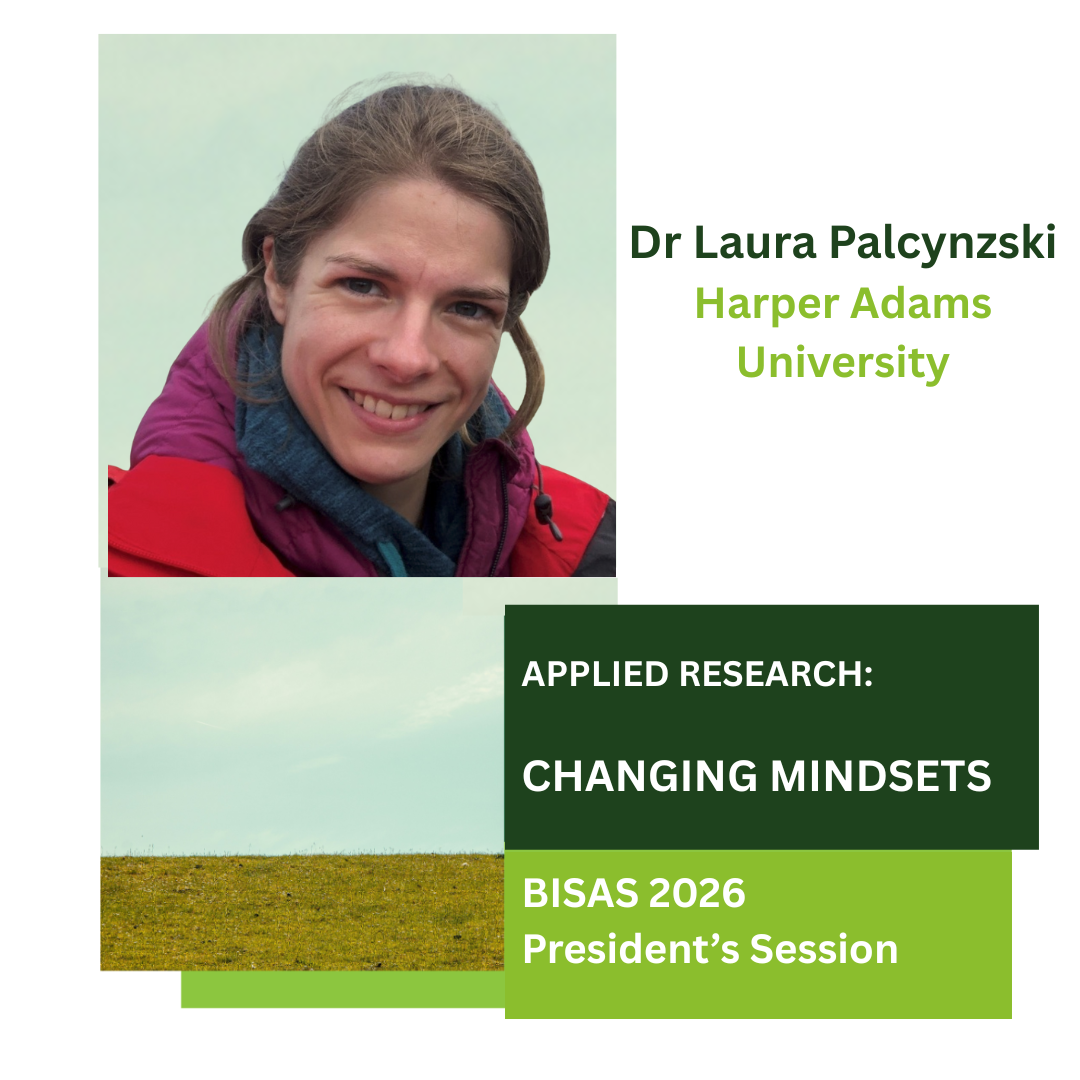
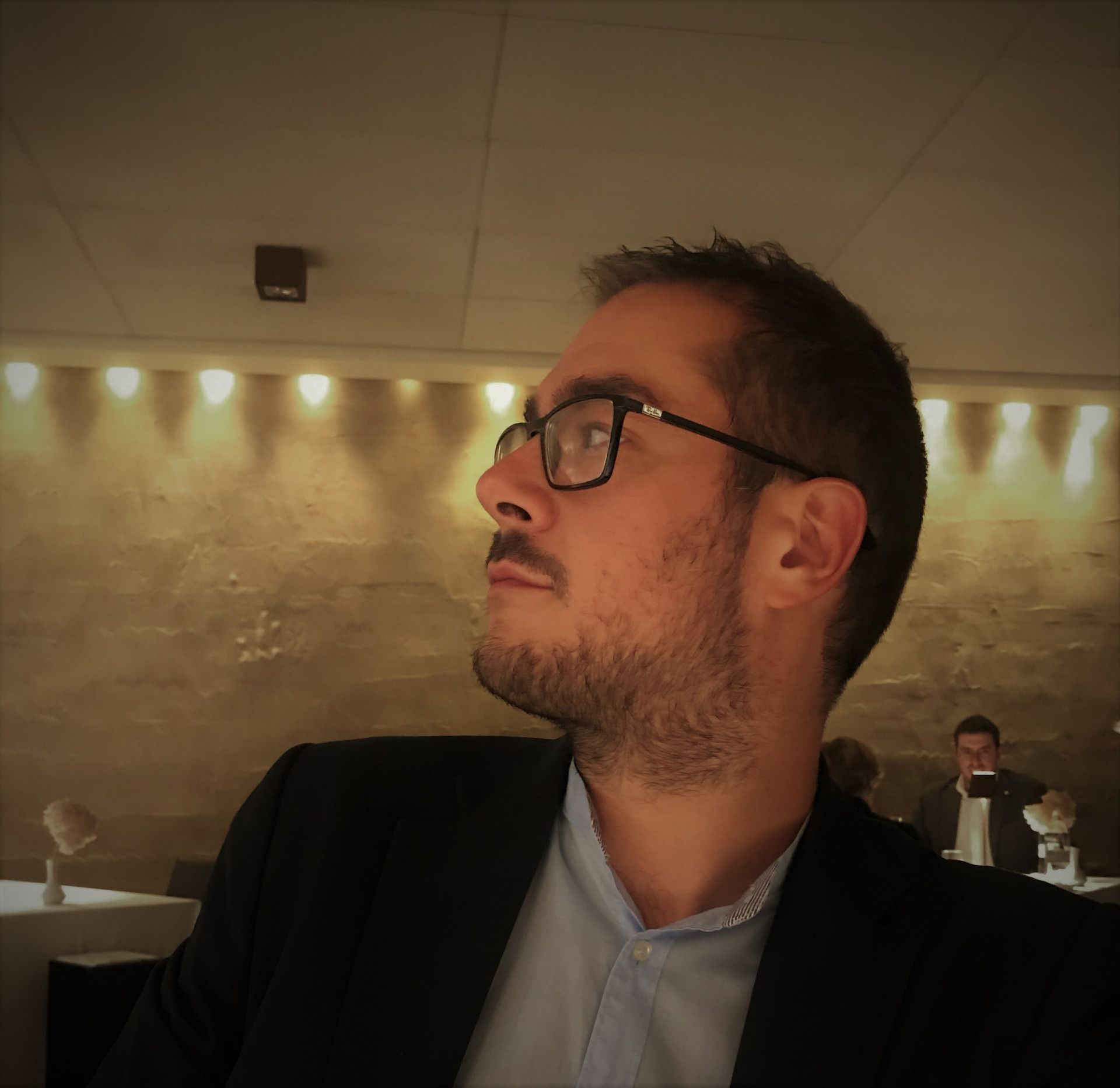
Laura Palcynzski

Laura Palcynzski

Laura Palcynzski

Session: Presidents 

Date: Wednesday, 15th April |10:45

Summary: Is meaningful engagement with human stakeholders an avenue to overcome barriers to change and enhance the application of research? This presentation will draw on insights from various research projects to explore how we can extend our focus beyond scientific evidence and technical know-how to consider the wider contextual and personal factors that affect human behaviour and decision-making, and consequently, our research impact.
From agricultural technology investors who stressed the importance of fully comprehending target users’ priorities and the challenges they face, to the significance of accidental counsellors, examples demonstrate the importance of considering both practical and personal factors in the process of change. I will argue that we, as researchers, should use reflexive practices throughout the research process, and better consider whose knowledge and experience matters when we consider what constitutes an ‘enabling environment’ for change. Thus, meaningful engagement is not only a means to disseminate research findings; it starts at (or before) the conception of research, to collaboratively shape the objectives, questions, and solutions to empower potential ‘change-makers’.

Profile: Dr Laura Palczynski is a postdoctoral researcher in the Engaging for Change group within the Centre for Social Science at Harper Adams University. Starting out with a degree in animal behaviour and welfare, completing a PhD exploring different human perspectives and priorities regarding dairy calf management and several years working in agricultural knowledge exchange have informed her thinking about barriers to change. Her research now focuses on how people can work together effectively, considering factors such as mental health and wellbeing, as well as communication and practicality of research recommendations for industry.

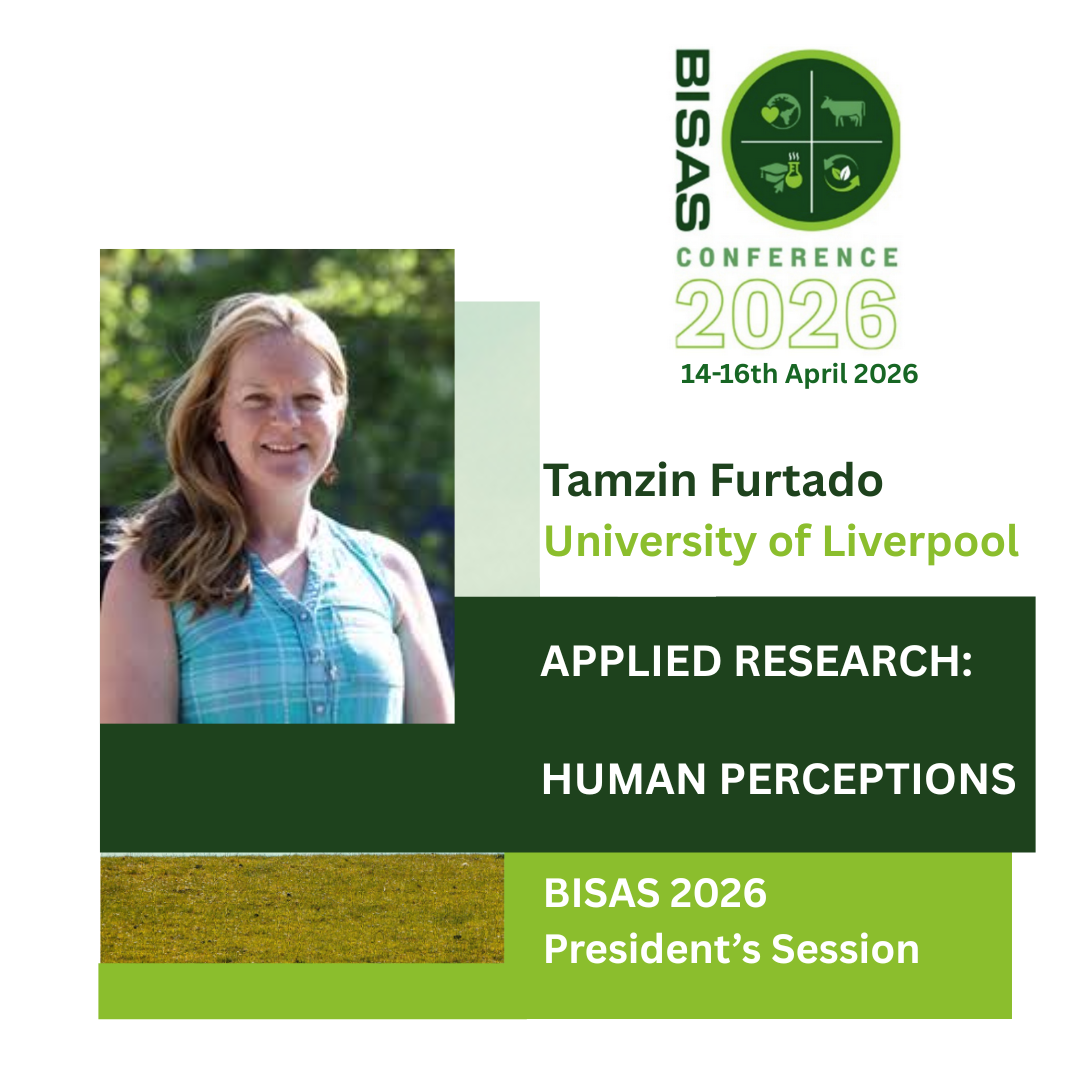
Tamzin Furtado

Tamzin Furtado

Tamzin Furtado


Session: Presidents Session

Date: Wednesday, 15th April |10:45

Summary: Tamzin Furtado will share his views on the hurdles of applying research with a focus on the impact of human perceptions as part of the President's Session at this year's Annual Conference. Tamzin will then join other session speakers to take part in a broader panel discussion on the topic including looking at applying research from industry and academic persepctives as well the role of human perceptions and changing mindsets.

Profile: Tamzin is a social scientist with a background in global health, and has a specific interest in the interconnections between human and animal health and wellbeing. She completed a PhD at the University of Liverpool studying how we can improve the management of obesity in horses, particularly focusing on horse-human relationships and human behaviour change. She now works on projects covering a wide range of aspects of understanding human behaviour in order to improve companion animal welfare, and in using social sciences to find out more about how we can help people to change.

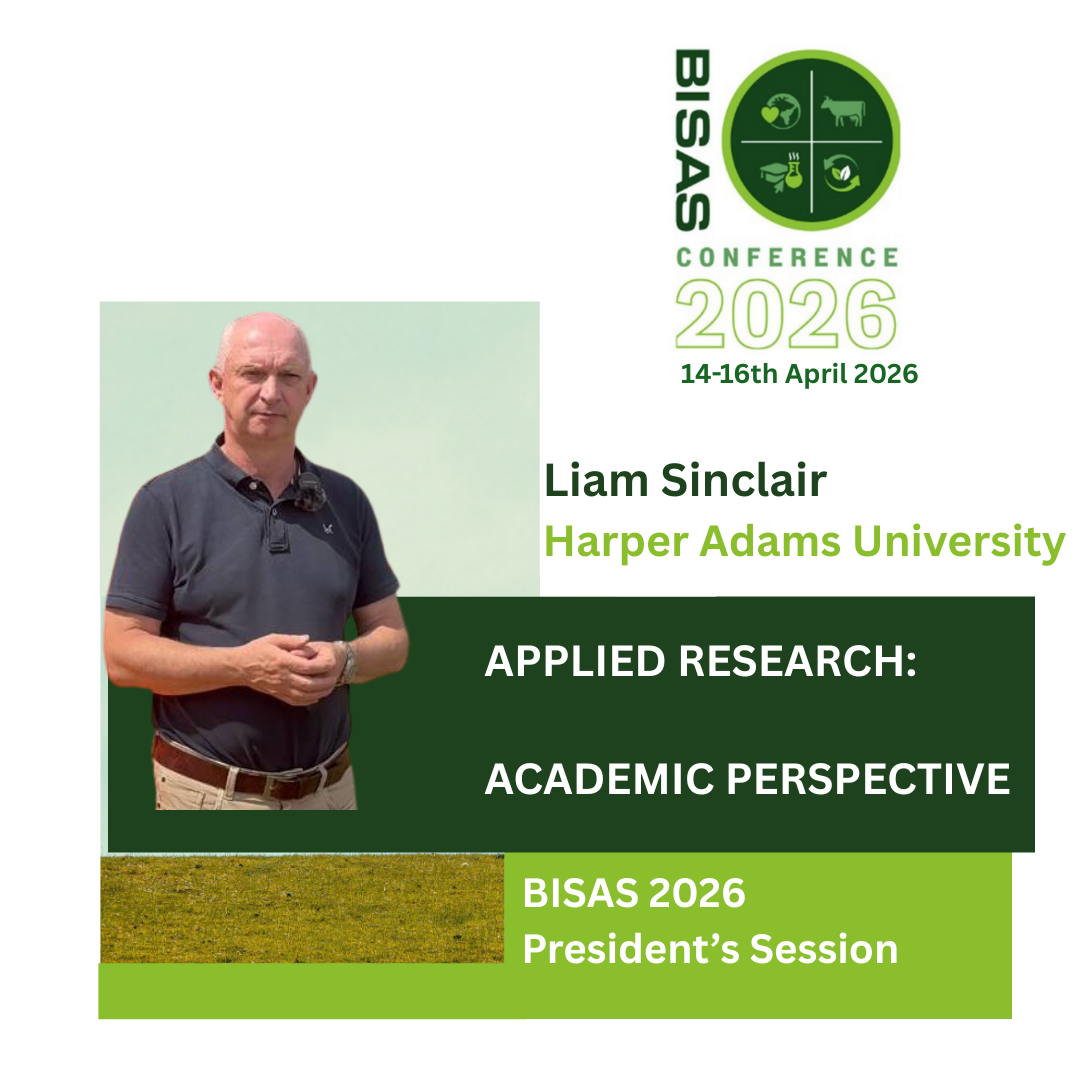
Liam Sinclair

Liam Sinclair

Liam Sinclair

Session: President's Session

Date: Wednesday, 15th April |11:30

Summary:Liam Sinclair will share his views on the hurdles of applying research from an academic perspective as part of the President's Session at this year's Annual Conference. Liam will then join other session speakers to take part in a panel discussion on the hurdles to applying research, including looking at the role of human perceptions and changing mindsets.

Profile: Liam undertook a degree in Agriculture with Animal Science at Aberdeen University, before moving to Nottingham University where he completed his PhD on the interaction between  dietary energy and protein supply on microbial protein synthesis in the  rumen. He then moved to Harper Adams University as a lecturer in 1992, progressing to Professor of Animal Science in 2010. His research interests are focussed around dairy cows and include improving the health attributes of milk, increasing forage utilisation, improving mineral nutrition, and reducing the environmental impact of dairy cows. He was awarded the Sir John Hammond Prize in 2011 for his research in ruminant nutrition and the ability to transfer research findings to industry, and in 2016/2017 held the position of President of the British Society of Animal Science.

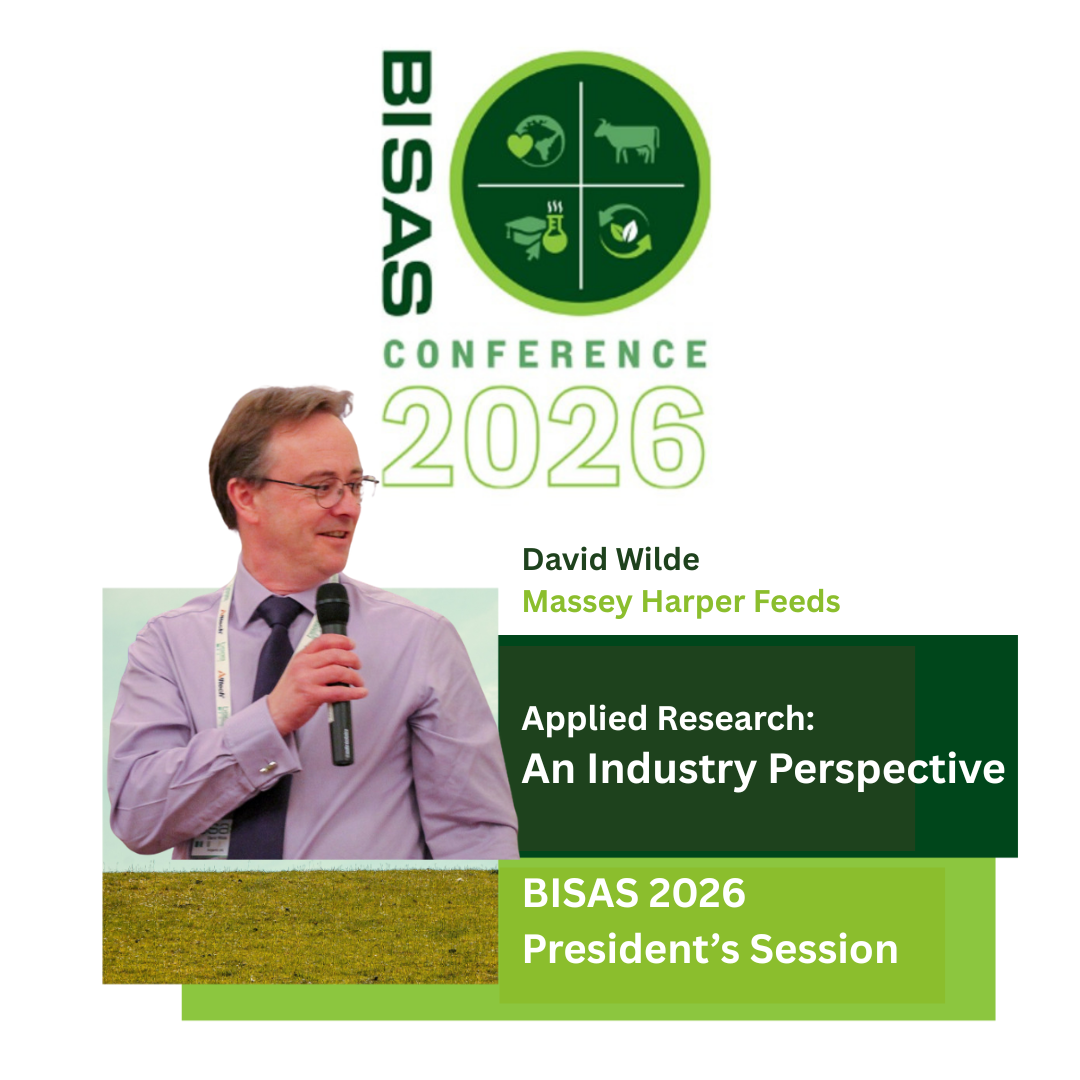
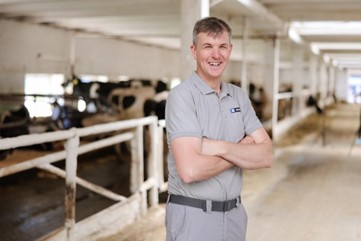
David Wilde

David Wilde

David Wilde

Session: Presidents 

Date: Wednesday, 15th April |10:45

Summary: David Wilde will share his views on the hurdles of applying research from an industry perspective as part of the President's Session at this year's Annual Conference. David will then join other session speakers to take  part in a panel discussion on the hurdles to applying research, including looking at the role of human perceptions and changing mindsets.

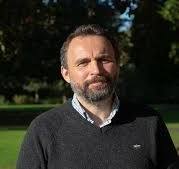
Profile: David is the National Ruminant Technical Manager with the Massey Harpers Feeds Group, a family owned and run business providing animal feeds across the country. His role involves providing training and technical support for the sales teams, feed formulation, forage analysis and coordinating trials as well as being out on farm with customers. David is also a Cow Signals® Master Trainer. He is involved with the AIC Forage Analysis Assurance Group, the Feed Advisor Register working group and actively involved in the UK Agritech Centre. David has extensive experience in the animal feed industry, having worked for premix companies, feed additive manufacturers and the compound feed sector, working closely with farmers, nutritionists, consultants, academics and veterinarians. He is an Honorary Associate Professor at the University of Nottingham, visiting lecturer at Harper Adams University, has over 40 published papers, abstracts and conference proceedings and has been a member of the Society for almost 30 years.